Spyderserve Web Development
Beyond the Keyboard: How to Optimize Your Website for the Voice Search Era
Michael Royal - July 14, 2026
Business & Technology - SEO & Digital Marketing - Web Design & Development
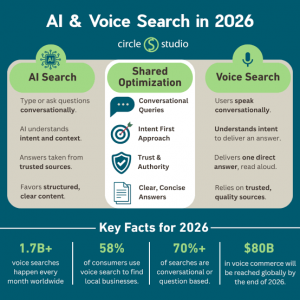 The way people interact with the internet is undergoing a massive, hands-free transformation. For years, digital marketing strategies focused almost entirely on the physical act of typing keywords into a search bar. Today, however, more consumers are bypassing their keyboards altogether. With the rapid rise of smart speakers, virtual assistants, and advanced mobile voice recognition, voice-activated queries are commanding a major share of online traffic. For businesses in South Georgia and beyond, this shift represents a vital opportunity to capture high-intent leads before competitors even realize the rules of the game have changed.
The Shift from Keywords to Natural Conversation
When someone sits down at a computer to look for services, they tend to type in fragmented, clinical terms such as "web design Valdosta GA". When that same person uses voice search while cooking dinner or driving down Bemiss Road, their search behavior turns conversational. They ask full, grammatically complete questions like, "Who is the best website designer near me?" This shift from keyword chunks to natural, long-tail phrases means your website content must change to match how human beings actually talk. Optimizing for voice search requires a deep understanding of natural language patterns, shifting your content's focus from cold search phrases to intuitive questions and direct answers.
Securing the Zero Position with Schema Markup
In a traditional search, a user scrolls through a list of blue links to find what they need. Voice search operates on a winner-take-all system where smart assistants typically read back only one definitive answer, often referred to as "position zero" or a featured snippet. To feed search engines the precise information they need to select your business as that single answer, your website needs a clear, behind-the-scenes organizational structure known as schema markup. This structured data acts like a roadmap for search engines, highlighting critical details such as your physical address, operating hours, exact services, and customer reviews. Without this technical foundation, search engine crawlers may struggle to index your details quickly enough to supply them as a voice search answer.
Prioritizing Local Intent and Mobile Performance
A vast majority of voice searches have strong local intent, with users looking for immediate, nearby solutions to their problems. Because these searches are almost exclusively performed on mobile devices while people are on the go, your mobile website performance is more critical than ever. If your site takes too long to load on a smartphone, search engines will bypass it entirely when delivering voice results, as virtual assistants prioritize lightning-fast load times. Local businesses must ensure their online profiles are completely accurate and that their websites are highly responsive, loading vital information in a fraction of a second to meet the demands of mobile-first voice users.
Structuring Content Around Frequently Asked Questions
To capture conversational traffic naturally, one of the most effective strategies is integrating highly structured FAQ sections directly into your key landing pages. By formatting your headings as the actual questions your target audience asks and following them with clear, direct, two-sentence answers, you create the perfect ecosystem for voice search algorithms to pull from. This approach not only boosts your visibility in voice queries but also improves the overall user experience for traditional visitors who appreciate finding fast, straightforward answers.
Ready to ensure your business doesn't get left behind in the rapidly growing era of voice and AI search? Contact the team at Spyderserve Web Services today at (229) 269-4108 to learn how our custom, modular web solutions can keep your brand highly visible and easily discoverable. We are here to help you build a fast, optimized, and future-proof online presence.